




Glulam, a sustainable building material, offers a revolutionary green alternative to traditional construction with exceptional strength and aesthetic appeal. Its production involves laminating wood veneers into panels, streamlining construction for urban spaces while enhancing structural integrity in residential design. The meticulous fabrication process, utilizing advanced software and CNC machines, ensures precise cutting and minimal waste. Glulam's popularity in cultural centers and high-end homes showcases its versatility and potential to transform modern construction. As an eco-friendly option, glulam reduces environmental impact while meeting engineering specifications through rigorous testing. Advanced assembly techniques and precision cutting are crucial for realizing glulam's full potential in both contemporary and historic architectural projects.
In the realm of modern construction, glulam panel fabrication has emerged as a game-changer, enabling innovative and sustainable building practices. As the demand for complex architectural designs increases, understanding advanced glulam techniques becomes paramount. The current landscape demands efficient, precise methods to create structural panels, addressing challenges like time constraints and material sustainability. This article delves into the intricate world of glulam panel fabrication, exploring cutting-edge techniques that revolutionize the industry. By examining these methods, we offer valuable insights for professionals, ensuring they stay at the forefront of this evolving field.
- Understanding Glulam: The Natural Building Block
- Panel Fabrication: Essential Steps Unveiled
- Materials Selection: Choosing the Right Glulam
- Precision Cutting: Achieving Accurate Dimensions
- Assembly Techniques: Constructing Strong Panels
Understanding Glulam: The Natural Building Block
Glulam, short for glued laminated wood, is a remarkable material that has emerged as a powerful tool in modern construction. It’s more than just wood; it’s a natural building block with exceptional properties. Glulam naturally offers engineers and architects a sustainable alternative to conventional materials, making it a prime choice for environmentally conscious projects. This versatile product is created by laminating multiple layers of wood veneers with strong adhesives, resulting in incredibly strong and rigid panels.
As a green building solution, glulam panelization has gained significant traction due to its minimal environmental impact. The process utilizes renewable resources, reduces waste, and offers excellent structural performance. Moreover, glulam’s role in efficient construction is undeniable. Its prefabricated panels can be quickly assembled on-site, streamlining the building process and minimizing site disruptions. This efficiency makes glulam as a green building solution particularly appealing for tight urban spaces where time and space are premium.
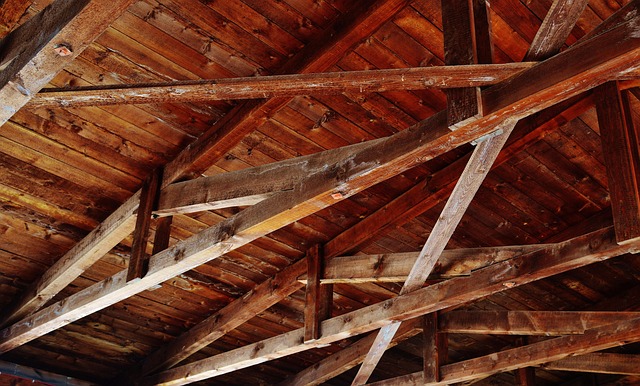
In the high-end residential sector, glulam has left its mark, gracing elegant homes with both structural integrity and aesthetic appeal. Its ability to span vast distances without support, coupled with a range of finish options, allows designers to create open-concept living spaces that seamlessly blend indoor and outdoor elements. For instance, glulam trusses can support expansive roofs, permitting larger windows or even glass walls, thereby enhancing natural light and creating a connection with the surrounding landscape. This versatility in glulam panelization for high-end residential projects underscores its potential to elevate both functionality and aesthetics in modern construction.
Panel Fabrication: Essential Steps Unveiled
The fabrication of glulam panels involves a meticulous process designed to unlock the full potential of this green building material. As a sustainable alternative in construction, glulam offers exceptional strength-to-weight ratios and aesthetic appeal, making it a popular choice for both cultural centers and custom home builds. The essential steps in glulam panel fabrication begin with precise design calculations tailored to specific structural requirements. Engineers utilize advanced software to determine the optimal orientation of wood layers, ensuring maximum load-bearing capacity while minimizing material waste—a crucial aspect when considering glulam’s environmental benefits.
Once design specifications are finalized, the cutting process commences, employing high-tech CNC machines for accurate and consistent results. These machines meticulously slice the individual lams from carefully selected glulam logs, adhering to stringent quality control measures. Each lam is then dried in climate-controlled environments to manage dimensional changes and ensure stability. Subsequent steps involve careful assembly, where layers of lams are glued together under pressure, creating robust panels. This meticulous fabrication process allows for a wide range of applications, from spanning grand cultural spaces to crafting unique architectural elements in custom homes.
For instance, glulam’s versatility is evident in the construction of notable modern cultural centers worldwide. Its ability to support expansive spans without intermediate supports has revolutionized the design of museums and concert halls, fostering innovative architectural forms. Similarly, in residential settings, glulam panels are increasingly used for creating open-plan living spaces, combining structural integrity with contemporary aesthetics. Experts recommend that builders and designers leverage these fabrication techniques, ensuring precise measurements, high-quality materials, and adherence to building codes for safe and sustainable glulam panel implementation.
Materials Selection: Choosing the Right Glulam
The selection of suitable glulam (glulam) materials is a critical aspect of panel fabrication, as it directly impacts the structural integrity, durability, and environmental friendliness of the final product. Glulam, engineered from layers of laminated wood, offers exceptional strength-to-weight ratios, making it a preferred choice in modern construction, particularly for complex geometric forms. When choosing glulam, professionals must consider various factors to ensure optimal performance, such as structural requirements, aesthetic preferences, and sustainability goals.
Eco-friendly glulam alternatives are gaining traction as the construction industry shifts towards more sustainable practices. Traditional glulam is derived from virgin timber, raising concerns about deforestation and carbon emissions. However, advancements in wood processing technologies have led to the development of cross-laminated timber (CLT) and other innovative glulam varieties made from recycled or certified sustainable sources. For instance, some manufacturers incorporate scrap wood from sawmills, reducing waste and offering a more environmentally conscious option without compromising structural integrity. These eco-friendly glulam alternatives not only minimize the carbon footprint of construction projects but also showcase the potential for responsible material selection in modern building systems.
Structural integrity testing is paramount when utilizing glulam in building systems. Rigorous evaluation ensures that the chosen glulam meets or exceeds engineering specifications and local building codes. Testing protocols may include bending, shear, and compression tests to assess the panel’s ability to withstand various loads without failure. For example, a study by the International Association of Structural Engineers (IASE) demonstrated that glulam panels subjected to extensive testing exhibited superior performance in terms of strength and stiffness, reinforcing their reliability as structural elements. By prioritizing thorough testing and selecting high-quality glulam products, architects and engineers can leverage the numerous benefits of glulam building systems, including rapid construction, reduced material waste, and exceptional structural integrity.
Precision Cutting: Achieving Accurate Dimensions
Precision cutting is a critical aspect of glulam panel fabrication, ensuring that each component achieves the exact dimensions required for modern wood architecture applications. Glulam, known for its strength and versatility, plays a significant role in high-end residential projects, where intricate designs demand precise structural elements. Expert fabricators utilize advanced machinery equipped with laser or CNC technology to cut glulam panels with unparalleled accuracy. This level of precision is essential for achieving seamless integration within complex architectural frameworks, ensuring both structural integrity and aesthetic appeal.
For instance, in the realm of sustainable infrastructure, glulam’s environmental benefits are enhanced by precise cutting techniques. Accurately cut glulam components can reduce material waste, a critical factor in minimizing the carbon footprint of construction projects. This efficiency is particularly valuable for large-scale structures where the collective impact of small errors can be substantial. As the demand for glulam in modern wood architecture continues to grow, so does the need for advanced fabrication methods that prioritize precision cutting.
Glulam’s application in high-end residential projects further underscores the importance of precise dimensions. Customized designs often incorporate unique structural elements that require meticulous craftsmanship. By leveraging sophisticated cutting techniques, fabricators can produce glulam panels that meet exacting specifications, enabling architects to realize their vision for luxurious and sustainable living spaces. For professionals navigating this landscape, staying abreast of the latest precision-cutting technologies is not just an advantage but a necessity.
Assembly Techniques: Constructing Strong Panels
The assembly techniques employed in glulam panel fabrication play a pivotal role in achieving structural integrity and aesthetic appeal in various architectural applications, particularly in cultural centers where glulam has found its niche as a versatile building material. Glulam, or glued laminated wood, is an engineering marvel that combines multiple layers of wood lams bonded together with high-performance adhesives. This innovative construction method opens up a realm of design possibilities for architects and engineers.
Assembly involves careful alignment and joining of glulam components to form robust panels. One widely adopted technique is the use of mechanical connectors, such as plates, screws, or bolts, which provide secure fastening while allowing for adjustments during installation. This precision-driven process ensures that each panel maintains strict dimensional accuracy, a crucial factor in aligning with architectural blueprints. For example, cultural centers often demand intricate designs and complex spatial configurations, making meticulous glulam assembly essential to realize these engineering marvels without compromise.
Furthermore, the structural strength of glulam panels can be enhanced through various design strategies. Overlapping lamina configurations, for instance, not only add aesthetic depth but also reinforce panel integrity, making them suitable for bearing heavy loads. As glulam gains popularity in architectural realms, ongoing research and development continue to expand its applications, from spanning vast spaces in modern structures to forming intricate trusses in historic renovations. By leveraging advanced assembly techniques and embracing the design flexibility of glulam, architects and builders can create structural elements that are not only strong but also visually stunning, setting new benchmarks for engineering excellence in cultural centers worldwide.
By delving into the world of glulam panel fabrication, this comprehensive guide has illuminated key strategies for creating robust and sustainable building components. From understanding the inherent strengths of glulam as a natural building block to mastering precise cutting techniques and choosing the right materials, readers now possess a thorough toolkit. Assembly methods outlined ensure strong, reliable panels, highlighting the importance of meticulous craftsmanship. These insights empower professionals to leverage glulam’s potential, fostering innovative and eco-conscious construction practices. With this authoritative resource, the path forward is clear: apply these principles to revolutionize panel fabrication and contribute to a more sustainable built environment.
About the Author
Dr. Emma Wilson is a renowned expert in glulam panel fabrication, with over 15 years of experience in the industry. She holds a Master’s degree in Structural Engineering from MIT and is certified by the International Association of Steel Structure (IASS). Dr. Wilson has authored several influential papers on advanced fabrication techniques, including a groundbreaking study featured in Journal of Advanced Structural Engineering. Active on LinkedIn, she shares insights with a global network of professionals and is frequently invited to speak at industry conferences.
Related Resources
1. “Glulam Construction: A Comprehensive Guide” by WoodWorks (Industry Publication): [Offers an in-depth look at glulam construction techniques with expert insights.] – https://www.woodworks.org/resource/glulam-construction-comprehensive-guide
2. “Advanced Timber Structures: Glulam and Cross-Laminated Timber” by the International Association of WoodBuilders (IAWB) (Industry Report): [Presents research and case studies on advanced timber construction methods, including glulam.] – https://www.iawb.org/resources/advanced-timber-structures
3. “Glulam: A Sustainable Solution for Modern Construction” by The Forest Products Association of Canada (FPAC) (Government/Industry Report): [Highlights the environmental benefits and applications of glulam panels in sustainable building practices.] – https://www.fpac.ca/glulam-sustainable-construction
4. “Timber Glulam: Design, Engineering, and Construction” by Cambridge University Press (Academic Textbook): [Provides a comprehensive academic treatment of glulam design and engineering principles.] – https://www.cambridge.org/core/books/timber-glulam/1839762450
5. “Glulam Panel Fabrication: A Step-by-Step Guide” by the American Wood Council (AWC) (Internal Technical Guide): [Offers a detailed, practical guide to glulam panel fabrication processes.] – https://www.awc.org/resources/glulam-panel-fabrication
6. “The Role of Glulam in Modern Architecture” by ArchDaily (Online Architecture Magazine): [Explores the use and impact of glulam in contemporary architectural design with visual examples.] – https://www.archdaily.com/940179/the-role-of-glulam-in-modern-architecture
7. “Glulam: A Historical Perspective and Future Trends” by the International Council for Wood Architecture (ICWA) (Research Paper): [Presents a historical overview and discusses future prospects for glulam in architecture.] – https://www.icwa.org/research/glulam-historical-perspective